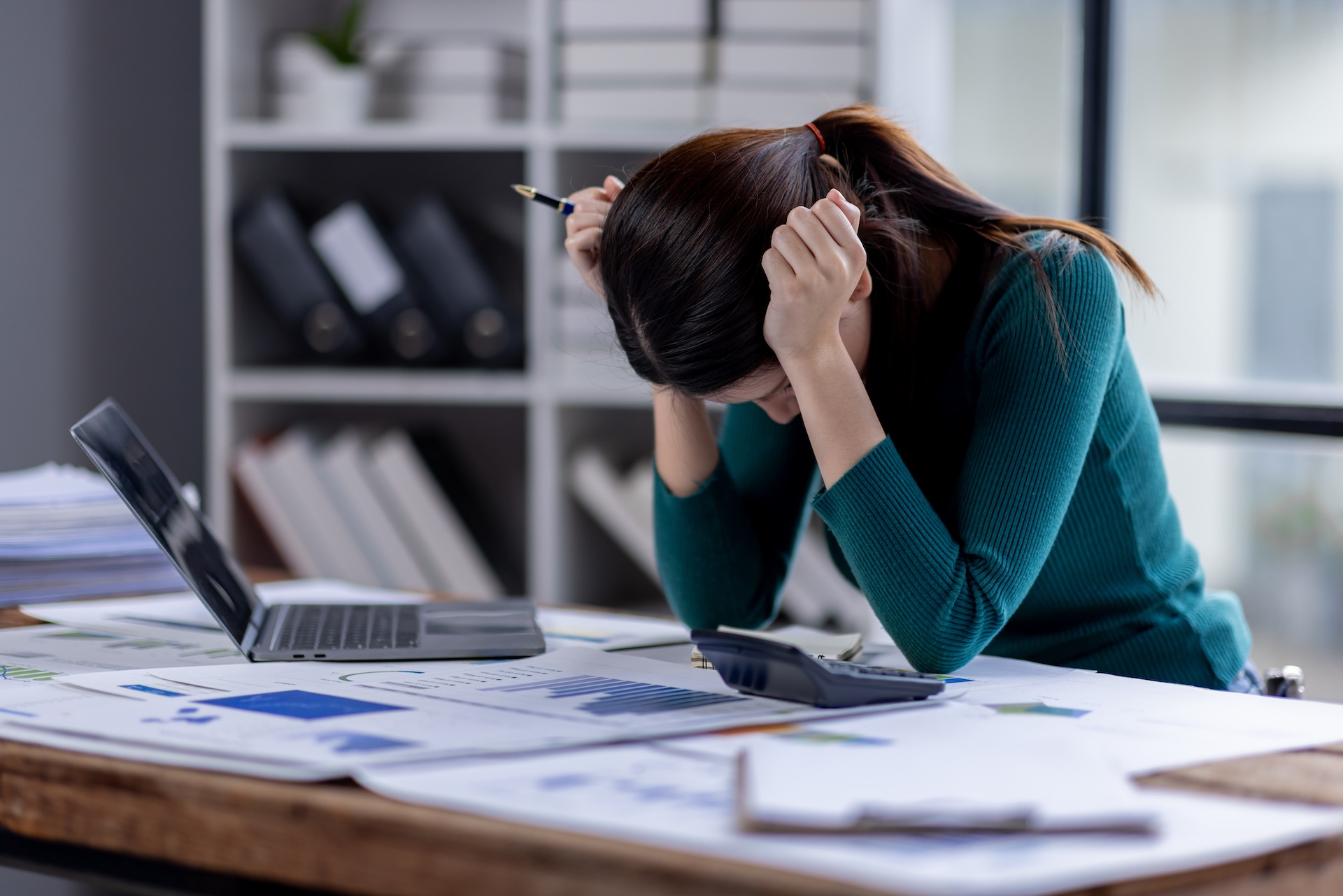
FEELING TIRED?
It Could Be More Than Just Fatigue
Let’s talk about something super important that often flies under the radar—anemia and iron deficiency. They might sound similar, and they do go hand in hand sometimes, but they aren’t quite the same thing. Knowing the difference can help you understand what’s happening with your body and what steps you can take to feel better.
What is Anemia?
Anemia happens when YOUR BLOOD DOESN’T HAVE ENOUGH RED BLOOD CELLS or hemoglobin—that’s the protein that helps carry oxygen around your body. Without enough oxygen, your body can’t produce the energy it needs, so you end up feeling tired, weak, and maybe a little off.
“Women and children are especially vulnerable to anemia. Early detection and treatment are key to improving quality of life”

We may feel that being tired is a normal part of a busy life
COMMON CAUSES OF ANEMIA
- IRON DEFICIENCY: The number one cause of anemia
- VITAMIN DEFICIENCY: Low levels of B12 or folate can lead to anemia too
- CHRONIC ILLNESSES: Conditions like kidney disease or cancer can cause anemia
- BLOOD LOSS: This could be from heavy periods, surgery, or even unnoticed internal bleeding
WHAT DOES IT FEEL LIKE?
If you’re dealing with anemia you might notice:
- Feeling tired all the time
- Looking paler than usual
- Getting short of breath easily
- Feeling dizzy or lightheaded
- Cold hands and feet
What is Iron Deficiency?
Iron deficiency is when your body doesn’t have enough iron. Since iron is essential for making hemoglobin, a lack of it can eventually lead to iron deficiency anemia. But even before that happens, LOW IRON CAN MAKE YOU FEEL PRETTY CRUMMY.
“Iron deficiency is the leading cause of anemia worldwide”
Iron deficiency during adolescence can lead to impaired cognitive and physical development, reduced academic performance, and decreased immunity
COMMON CAUSES OF IRON DEFICIENCY
- NOT EATING ENOUGH IRON RICH FOODS: This is common if you don’t eat much meat or iron-fortified foods
- TROUBLE ABSORBING IRON: Conditions like celiac disease or medications can interfere with absorption
- INCREASED NEED FOR IRON: Pregnancy, growth spurts, or intense exercise can increase your body’s iron needs
- BLOOD LOSS: Heavy periods or gastrointestinal bleeding are common culprits
WHAT DOES IT FEEL LIKE?
Some signs you might be low on iron include:
- Feeling unusually tired
- Pale skin or looking more washed out than usual
- Brittle nails or hair falling out more than normal
- Weird cravings for non-food things
Ever felt the urge to eat ice, dirt or even chalk? This unusual craving, called pica, can sometimes be an early warning sign of iron deficiency
Anemia vs. Iron Deficiency: How Are They Different?
While iron deficiency can lead to anemia, not all anemia is caused by low iron. Let’s break it down:
Why Knowing the Difference Matters
If you’re feeling run down, IT’S IMPORTANT TO GET THE RIGHT DIAGNOSIS. Treating iron deficiency anemia is different from treating anemia caused by something else, like a vitamin deficiency or a chronic illness. Knowing what’s going on means you can get the right help and start feeling like yourself again.
“It’s amazing how something as simple as keeping track of my iron gave me peace of mind when it mattered most.”

There is an increased need for iron during pregnancy
WHAT CAN I DO TODAY?
Boost My Iron Intake
Here are some tasty options:
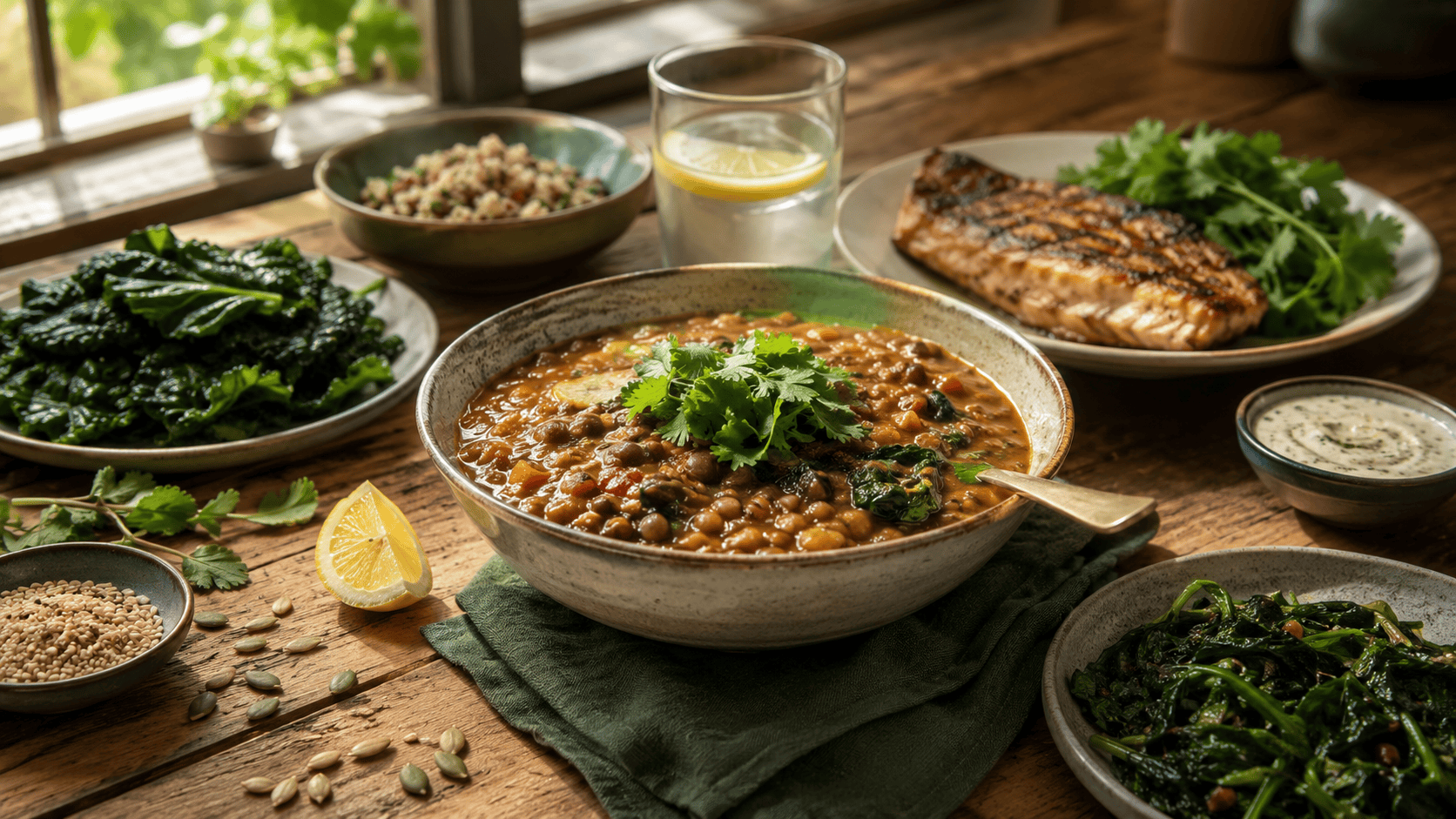
- Meat sources (better absorbed by the body): Beef, chicken, and fish.
- Plant-based sources (still great, especially when paired with vitamin C): Spinach, lentils, beans, and fortified cereals.
Pair with Vitamin C
Vitamin C helps your body absorb iron better. So, squeeze some lemon over your spinach or pair your beans with a glass of orange or grapefruit juice.
Cooking with a cast-iron skillet can increase the iron content of your food!
Help a Friend
Sharing what you’ve learned about anemia and iron deficiency with friends and family could make a big difference for someone in your life. Awareness can lead to earlier detection, better management, and healthier communities.
Final Thoughts
If you’ve been feeling extra tired or noticed any of the symptoms we talked about, it’s worth chatting with your healthcare provider. Catching these things early can make a big difference in how you feel day to day.
And, stay tuned, next time we’ll dive into how your iron levels affect your energy and well-being. You won’t want to miss it!
Update – 19 April 2025
In light of recent developments, we wanted to highlight the World Health Organization’s (WHO) new guidance on Patient Blood Management (PBM). Released on March 14th, 2025, the guidance aims to improve global blood health and provides a framework for healthcare providers to enhance care for patients dealing with anemia, iron deficiency, and related conditions.
This update is particularly important for those in healthcare, as it brings evidence-based practices to the forefront, empowering medical professionals to provide safer, more effective care to patients worldwide. To learn more about the WHO’s groundbreaking guidelines, click the link: https://iris.who.int/handle/10665/380784