
In 2025, people across six continents discovered something simple: understanding your blood health changes everything.
How Blood Health Awareness Transformed Lives in 2025
This year, we reached 70 million people with practical information about anemia and iron deficiency. Our community grew to 209,000 subscribers. We launched new partnerships. And we held our first global Anemiathon, where millions raised their hands for blood health.
Blood health is no longer a hidden health issue. It’s now part of how families, clinics, and communities care for themselves.
Did You Know?
Anemia and Blood Health Facts
- 40% of pregnant women and 42% of children under 5 are anemic worldwide (WHO)
- Feeling tired all the time is one of the most overlooked signs of anemia
- When families understand blood health, entire communities benefit in school, at work, and in daily life
The Anemiathon: Connecting Six Continents on World Anemia Awareness Day
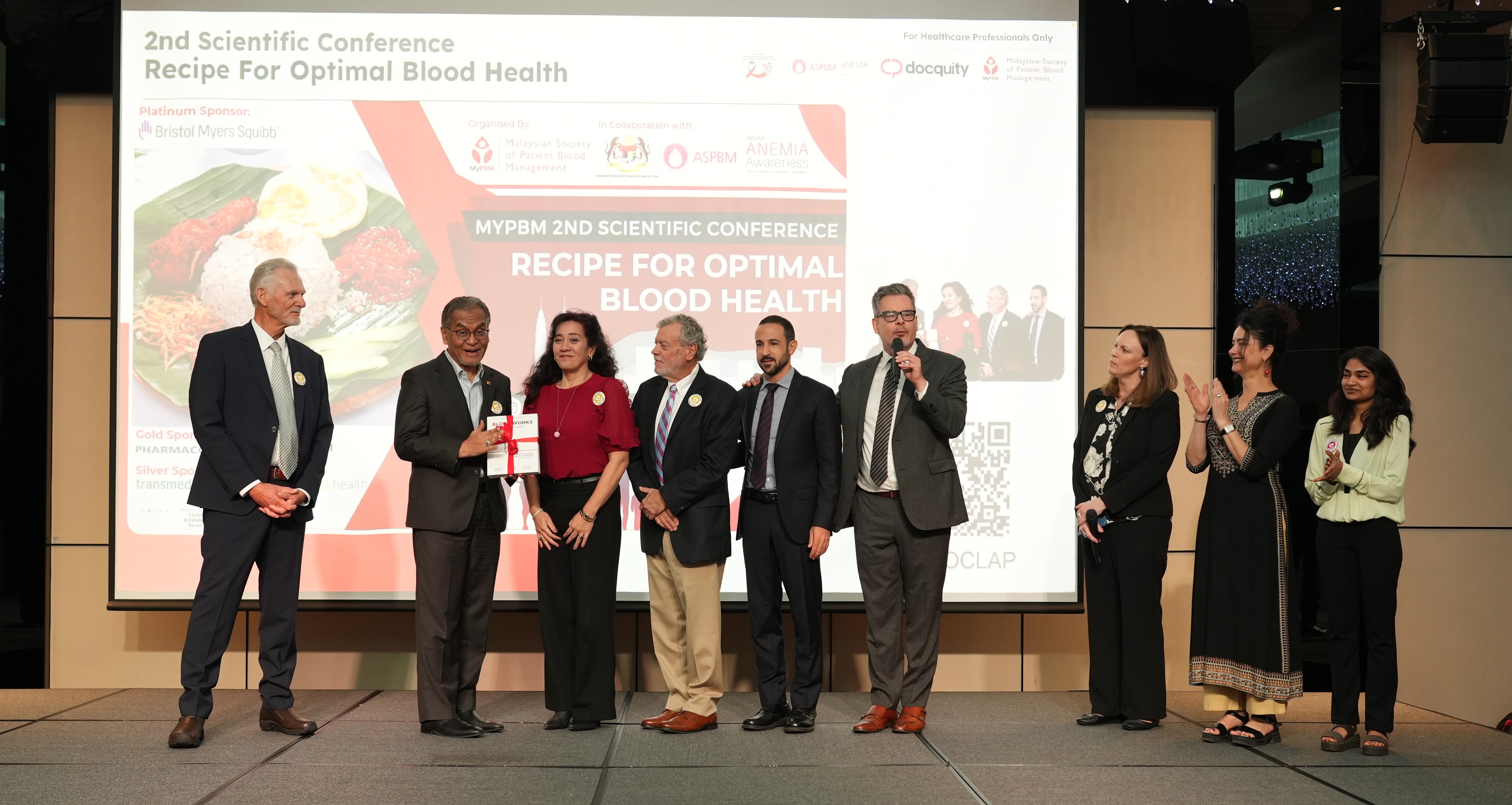
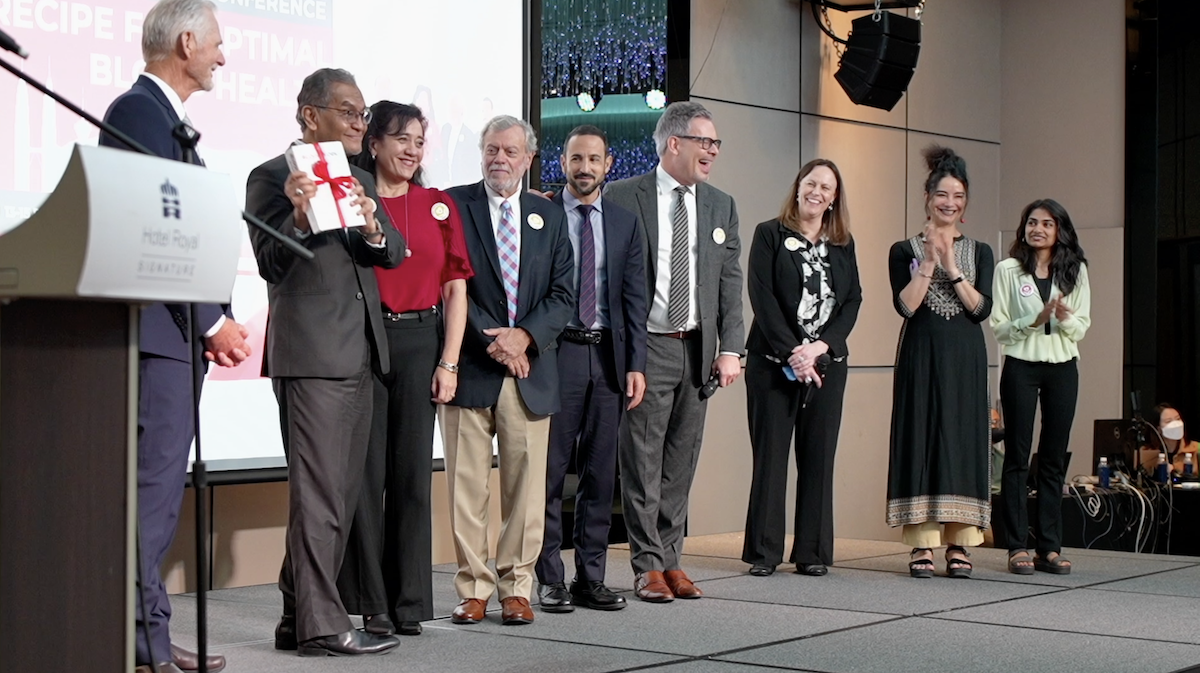
On February 13, 2025, we held our first global Anemiathon in Kuala Lumpur. It united experts, families, students, and health workers across six continents. The event created space for real conversations about blood health.
The Malaysia Minister of Health, Dr Dzulkefly Ahmed, opened the Anemiathon with full support. He received a copy of Blood Works: An Owner’s Guide. This moment showed us something important: when health leaders understand blood health, they prioritize it.
70 million people connected with our 2025 Anemiathon. It was our largest reach to date.
Maternal Blood Health: Knowledge for Every Pregnancy
In September 2025, we launched Mom’s Blood Health, My Future. This 9-day campaign ran from September 1-9 and reached women in 155 countries.
Maternal anemia affects 40% of pregnant women globally. Many women don’t know they have it. Many don’t know what questions to ask their doctors.
This campaign gave mothers real information. We shared what healthy blood looks like in pregnancy. We explained why iron matters. We showed women how to advocate for themselves.
When mothers understand their blood health, they make better decisions. They ask better questions. They get the care they need.
In Other Words
Blood Health Terms You Should Know
Anemia: When your blood doesn’t have enough healthy red cells to carry oxygen. This can make you tired, weak, short of breath, or unable to concentrate, even if you think you’re just busy.
Iron deficiency: The most common cause of anemia. Iron helps your body build strong blood. Without it, everything from learning to pregnancy to healing becomes harder.
Patient Blood Management: Simple steps hospitals take to protect a patient’s own blood, reduce transfusions, and improve recovery.
Why Blood Health Awareness Matters
Anemia and iron deficiency affect over 2 billion people worldwide. Women and children are at higher risk.
These conditions often go undiagnosed. People feel tired. They struggle to concentrate. They don’t connect these signs to their blood health.
Our job is to change that. We provide clear, evidence-based information about anemia. We help people understand what their bodies need.
We’ve reached people in over 155 countries. We’ve delivered live education to 4.3 million people. We continue to share information through videos, stories, and community programs.
This work matters because knowledge changes outcomes.
Partnerships That Expand Blood Health Education
In 2025, we worked alongside World Federation of Societies of Anaesthesiologists (WFSA), Society for the Advancement of Patient Blood Management (SABM), and many more. These organizations share our belief that understanding blood health changes outcomes. These collaborations helped us reach more clinicians, support health workers in resource-limited settings, and strengthen patient blood management practices globally.
Trusted Voices on Blood Health
“Iron deficiency may be contributing to fatigue, brain fog and concentration problems in many adolescent girls and young women, yet doctors don’t typically screen for it.” — Dr. Angela C. Weyand, Pediatric Hematologist, University of Michigan Medical School
Study suggests need for iron tests in teen girls & young women
“Patient blood management focuses on preventing and managing anemia to optimize patient health and reduce unnecessary interventions.” — World Health Organization, Patient Blood Management Implementation Guidance
Guidance on implementing patient blood management to improve global blood health status
What We Do: Education About Blood Health
Anemia and iron deficiency affect over 2 billion people. Yet many go undiagnosed until they cause serious problems.
We make blood health information clear and accessible. We create content that works for doctors, health workers, parents, and patients.
To date, we’ve shared information with people in over 70 countries. We’ve provided live education to 2.5 million people. We reach millions more through videos, patient stories, and community programs.
What’s Next: 2026 and Beyond
The next Global Anemiathon takes place on February 13, 2026. We’ll continue to expand education about blood health across six continents.
In 2026, we plan to:
- Publish new educational content
- Create more expert and patient videos
- Translate Blood Works: An Owner’s Guide into additional languages
- Develop deeper community programs in Asia, Africa, India, and Latin America
Our work in blood health education continues to grow.
Questions About Your Blood Health
- Have I ever checked my iron levels or hemoglobin
- Do I know the early signs of anemia in children and adults?
- Can someone in my family benefit from learning about blood health?
- Who can I share this information with today?
Take Action for Blood Health
Ready to make a difference? Here’s how:
- Share this article with someone who might benefit
- Subscribe to get updates about blood health education
- Follow us on social media for regular content
- Join us on February 13, 2026 for the Global Anemiathon and raise your hands for blood health
Understanding blood health changes lives. We’re glad you’re part of this work.
Disclaimer:
This information is educational, not medical advice. Always talk to your doctor before making changes to your health care.