In a hurry? The key points in 60 seconds
- Heavy menstrual bleeding is the most common cause of iron deficiency in young women
- Iron deficiency can exist before anaemia — and often goes unrecognised for years
- Fatigue, brain fog, and low mood are frequently dismissed or misdiagnosed
- 30% of young women globally carry iron deficiency, rising to 40% in pregnancy
- A simple ferritin test can change everything — but women often have to ask for it
Read on for the full picture
For millions of women, periods are something to manage quietly. Pain is normalised. Heavy bleeding is brushed aside. Fatigue is expected. In some cultures, menstrual health is not discussed openly, even between women.
But monthly blood loss that leaves you exhausted, weak, or struggling to cope is not something women should accept as normal. Menstrual health and iron deficiency are deeply connected, and yet this remains one of the most misunderstood areas of women’s health.
This Menstrual Hygiene Day, the conversation about menstrual health and iron deficiency matters. So awareness becomes about visibility, dignity, and making sure women feel informed, believed, and supported in their own bodies.
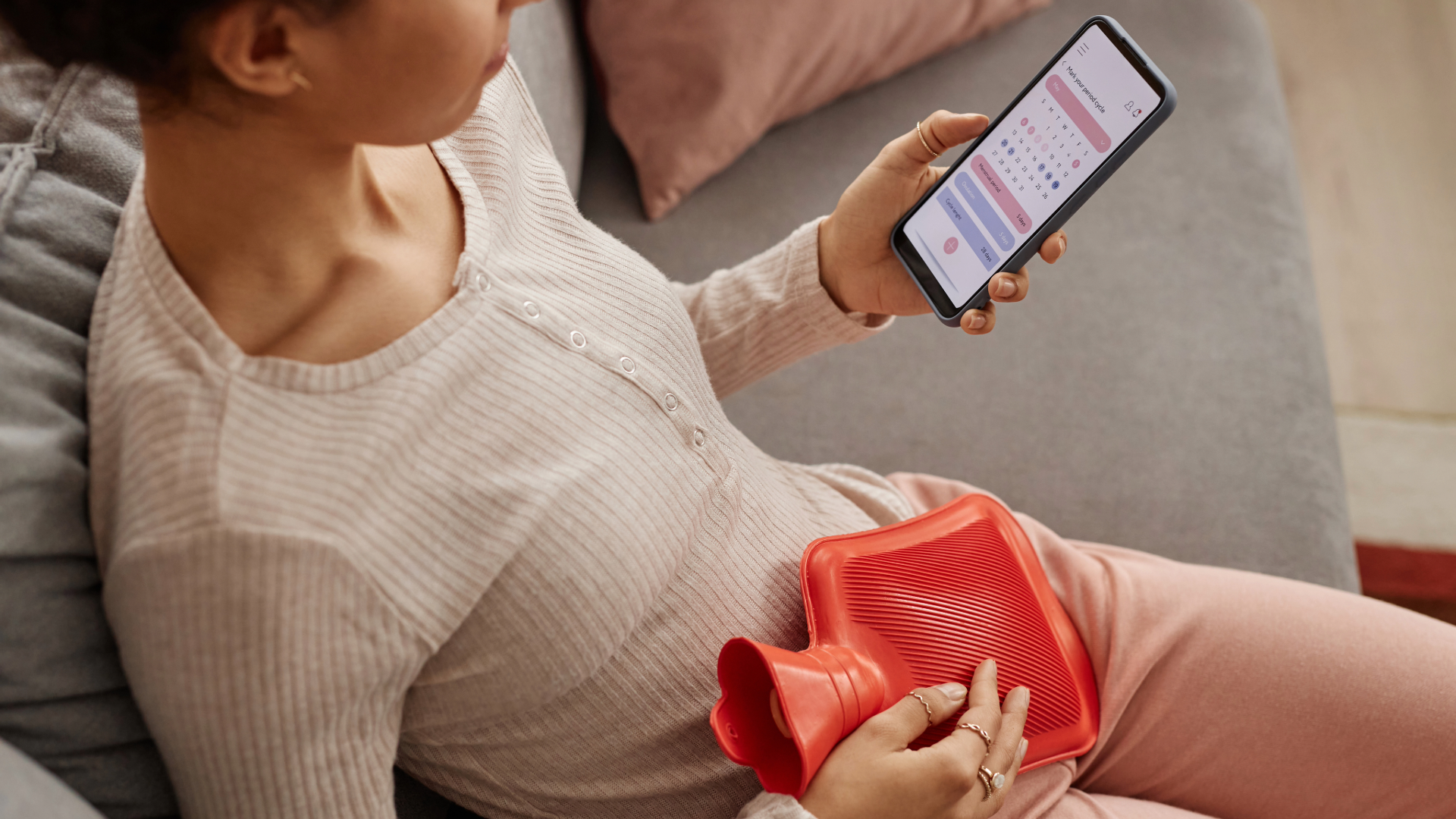
How heavy menstrual bleeding drives iron deficiency in young women
Periods are a normal part of life. Excessive blood loss is not.
When bleeding runs heavy or prolonged, the body loses iron faster than it can replace it. Over time, this affects energy, concentration, mood, and physical strength. However, many women never recognise the connection. The symptoms develop slowly, and stress or busy lives often take the blame.
Professor Sue Pavord, Consultant Haematologist at Oxford University Hospitals, sees this pattern in clinic every week.

“Heavy menstrual bleeding is the most common cause of iron deficiency in young women. And iron deficiency will impact their ability at school, their concentration, their IQ, their memory, as well as increasing the risk of depression, anxiety, and then of course the problems with pregnancy.”
Prof Sue Pavord | Consultant Haematologist | Oxford University Hospitals, UK
The numbers reinforce what she sees. Worldwide data show 30 per cent of young women carry iron deficiency. By the time those same women reach pregnancy, the figure rises to 40 per cent. So the pipeline from menstrual blood loss to pregnancy runs direct, predictable, and almost entirely preventable.
The barrier is awareness. Young women hold no point of comparison for what a normal period looks like. Their reference is their own body, their own experience, and whatever family or cultural conversation they grew up with.
“Empower young girls to think about their periods, to seek medical advice, to know if their periods are heavy, because everyone only knows their own menstrual flow, not anybody else’s, and then to ask their doctors about their iron status”
Prof Sue Pavord | Consultant Haematologist
When clinicians dismiss the conversation, women lose years

Dr Carol Lim is a consultant OBGYN in Malaysia who has spent her career addressing maternal anaemia and patient blood management. She speaks plainly about what gets in the way of women being heard.
“Menstrual health is often a neglected area in a woman’s life. We are partly to be blamed because whenever a young girl talks about her menses, we tend to brush them aside. We tell them this is normal, this is part and parcel of being a young woman growing up. But it is not. We should pay attention.”
Dr Carol Lim | Consultant OBGYN | Malaysia
That dismissal carries consequences. When clinicians overlook the link between menstrual health and iron deficiency during years of heavy bleeding, women carry it into pregnancy. From there, it affects both mother and child, sometimes severely.
Jennifer Graham is a yoga therapist and women’s health advocate in Canada. She has lived in Europe, China, India, and Canada. The conversation around menstrual health has been broken in each of them, in different ways.
“In some countries, there is still a lot of stigma around menstruation, this idea that it’s unclean. But the West isn’t that much better, quite frankly. There is still this idea that periods are gross. Every country I have lived in still has a long way to go.”
Jennifer Graham | Yoga Therapist & Women’s Health Advocate | Canada
In Other Words
- Heavy menstrual bleeding (HMB) periods that involve losing more blood than the body can easily replace, often leading to low iron levels over time.
- Iron deficiency without anaemia a state where the body’s iron stores have run low, but haemoglobin has not yet dropped enough to register as anaemia. Women can carry symptoms like fatigue, brain fog, and low mood for years before clinicians diagnose anaemia.
What to ask, and what often gets missed
When iron levels drop, the body adapts by slowing down. Walking upstairs, getting through a workday, caring for children, or staying focused can take more effort than it should. This is not weakness. It is biology, and it deserves attention.
Carol speaks about what most women do not know to ask for.
“What I wanted the listeners to know is that it is not just your hemoglobin. You should know your iron stores. The effect could be there before a person becomes anemic. The effect is there even at the very beginning of low iron stores. So yes, we should ask.”
Dr Carol Lim | Consultant OBGYN | Malaysia
That distinction matters. A woman with normal haemoglobin can still carry iron deficiency. She can still feel exhausted, struggle to concentrate, and assume it is just life. The test that picks this up is called ferritin, and clinicians rarely offer it as a first step. Women have to ask for it.
Did you know?
- Heavy menstrual bleeding is one of the leading causes of iron deficiency in women globally.
- Iron deficiency can exist before anaemia, and often persists for years before clinicians recognise it.
- Fatigue often appears as the earliest, and most overlooked, symptom of iron deficiency.
- Worldwide, 30 per cent of young women carry iron deficiency, rising to 40 per cent in pregnancy.
- The link between menstrual health and iron deficiency starts as early as the first period.
Iron deficiency and depression are easily confused
One of the most striking patterns clinicians describe is how often they mistake iron deficiency for depression. The symptoms overlap almost entirely. Fatigue, low mood, poor concentration, irritability, brain fog. A simple blood test can distinguish between them. But too often, no one offers that test.
Sue Pavord speaks directly to the clinical reality.
“It’s really difficult to distinguish between postpartum depression and iron deficiency. The symptoms are very similar. Iron is needed for every cell in the body, which includes the brain cells. If the brain cells are not rich in iron, they won’t be functioning properly. There’s more likely to be a risk of depression and the fatigue that comes with iron deficiency.”
Prof Sue Pavord | Consultant Haematologist
Carol describes the same pattern from the other end of the care pathway. So what happens when clinicians do not look beyond their own specialty?
“The paternalism of doctors who think they know better. A 13-year-old child being misdiagnosed as having mental health issues, and neglected to look into other aspects, which can be settled so easily. This is the problem we see among healthcare workers, you are very tunnel-vision. You only look into your own specialty.”
Dr Carol Lim | Consultant OBGYN | Malaysia
A young patient sent to a psychiatrist when what she actually needs is a ferritin test and an iron prescription. This story about menstrual health and iron deficiency recurs across countries and care systems. It is preventable. It requires only that someone ask the right question.
Listening changes outcomes
Many women only seek help after years of coping alone. But when clinicians believe and properly explore symptoms, lives change.
Simple conversations, appropriate testing, and supportive care can prevent long-term iron deficiency. They also protect both physical and emotional wellbeing. The link between menstrual health and iron deficiency runs through every stage of a woman’s life, so feeling heard is not a luxury. It is part of good healthcare.
“We should pay attention. We should talk about this so that we can address the concerns that young girls and mothers may have. We should have better public education, encouraging girls and mothers to talk and to pay attention.”
Dr Carol Lim | Consultant OBGYN | Malaysia
Trusted Voices
“Heavy menstrual bleeding can have a significant impact on a woman’s quality of life.”
“Abnormal uterine bleeding can interfere with a woman’s physical, social, and emotional quality of life.”
“Iron deficiency is the most common nutritional deficiency in the world.”
Questions to Ask
- Are my periods heavier or longer than they used to be?
- Do I feel tired or depleted most of the month, not just during my period?
- Has anyone checked my iron stores recently, not just my haemoglobin? Could I have a ferritin test?
- Do I feel listened to when I talk about menstrual symptoms?
- Could what I am experiencing be iron deficiency rather than something else?
A conversation worth having
Menstrual Hygiene Day is May 28. The day exists because dignity, visibility, and access to information still escape millions of women globally. Iron deficiency from heavy menstrual bleeding shows this clearly. So a treatable condition affecting hundreds of millions of women slips past clinicians before anyone diagnoses it.
What every woman should know about menstrual health and iron deficiency is simple. Heavy bleeding is not a personality trait. Fatigue is not a character flaw. Mood changes are not always what they look like. And the right question, asked at the right time, can change a life.

Know Your Cycle. Know Your Iron.
We’re building a downloadable guide based on what clinicians say every woman should know about menstrual health and iron deficiency.
Disclaimer
This information is educational, not medical advice. Always talk to your doctor before making changes to your health care.