
Understanding Blood Health
Knowledge is the first step to better health outcomes for you and your family.
What is Blood Health?
Blood Health Basics
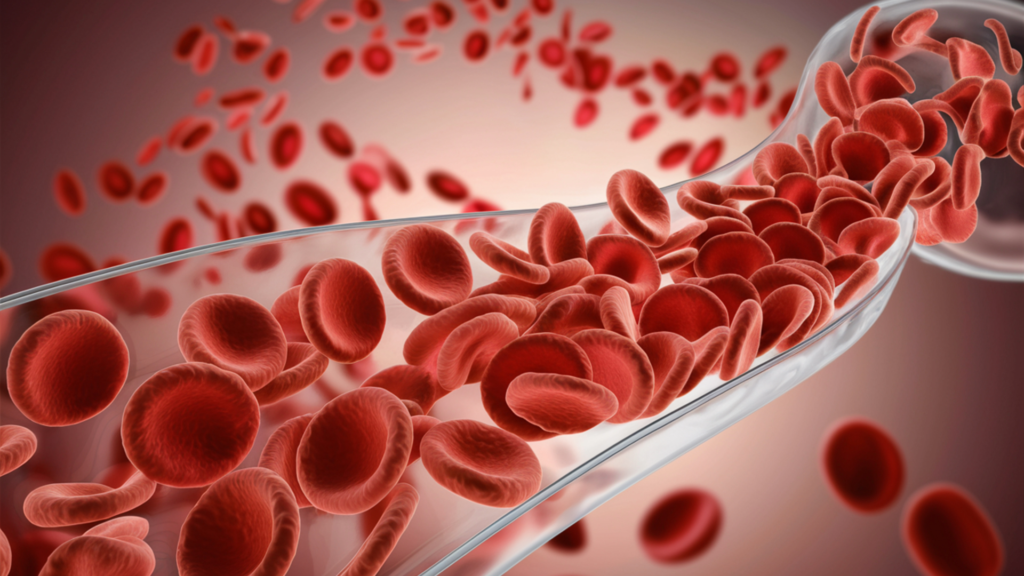
Your blood carries oxygen to every cell in your body through red blood cells containing hemoglobin. Hemoglobin is made from iron, which is why iron is so essential for healthy blood. When you don’t have enough iron, your body can’t make enough hemoglobin, and when you don’t have enough healthy red blood cells or hemoglobin, you have anemia.
Why It Matters
Iron deficiency is one of the most common nutritional deficiencies worldwide, and it often comes before anemia. Many people have low iron levels without knowing it—a condition called iron deficiency without anemia. If caught and treated early, you can prevent it from progressing to full anemia. Anemia itself affects billions of people worldwide, particularly pregnant women and young children, and can impact your energy levels, pregnancy outcomes, child development, and overall quality of life.

Are You At Risk?
Certain groups are more likely to develop iron deficiency and anemia, including pregnant women (who need more iron for their baby), young children under five, women of childbearing age (due to monthly blood loss), and people with chronic medical conditions. If you’re in any of these groups, it’s important to have your iron levels and hemoglobin checked regularly and talk to your doctor about prevention.

Common Symptoms of Iron Deficiency & Anemia
Anemia can develop gradually, so symptoms may be easy to miss at first. Many people don’t realize they have anemia until it’s detected through a routine blood test. However, there are warning signs your body may give you.
If you experience any of these symptoms, especially if you have multiple symptoms together, it’s worth talking to your doctor about getting your hemoglobin levels checked:
- Unusual tiredness or weakness that doesn’t improve with rest
- Pale skin, nail beds, or inside of eyelids
- Shortness of breath during normal activities
- Dizziness or lightheadedness, especially when standing up
- Cold hands and feet, even in warm weather
- Rapid or irregular heartbeat
- Headaches, particularly with activity
- Difficulty concentrating or brain fog
When to See Your Doctor
If you experience these symptoms, talk to your doctor about getting tested. Ask for a complete blood count (CBC) to check your hemoglobin levels and a ferritin test to check your iron stores. It’s important to test both—you can have normal hemoglobin but still be iron deficient, which can only be detected by checking ferritin. Early detection makes treatment easier and more effective.
Learn More About Blood Health
Blood Works: An Owner’s Guide
The Amazon bestseller featuring 48 global experts helping you ask your doctor good questions about your blood health.
SABM’s Iron Corner
In-depth educational resources on iron and iron deficiency—one of the most common nutritional deficiencies worldwide.
Let’s Talk Patient Blood Management
Listen to expert conversations about patient blood management and how it improves surgical outcomes and patient safety.